Does Your Aging Parent Need More Help at Home? 7 Signs to Watch for This Fall
Fall has a way of changing our routines quickly. The days become shorter, the weather turns colder, and many families settle back into busy work and school schedules. If you have an aging parent or loved one living independently, this can also be a good time to take a closer look at how they are managing at home.
Changes are not always dramatic. Often, they appear as small things: a nearly empty refrigerator, a few missed medications, increased fatigue, or a home that is not being kept the way it normally would be. One of these signs on its own may not mean that anything is wrong. However, a new pattern—or several changes happening together—can suggest that a little extra support would help.
Here are seven signs to watch for as we move into the colder months in Haliburton County.
1. Their home looks different than usual
When you visit, notice whether the home feels significantly different from how your loved one normally keeps it. You may see dishes accumulating, laundry left undone, spoiled food, unopened mail, or clutter creating tripping hazards.
This does not necessarily mean that your loved one can no longer live independently. Pain, fatigue, reduced mobility, vision changes, illness, or simply feeling overwhelmed can make everyday tasks more difficult. Some light, practical support may be enough to help them remain comfortable and safe in their own home.
2. Meals are being skipped or food choices have changed
Nutrition can become harder to manage for many reasons. Your loved one may no longer feel comfortable driving to the grocery store, especially as the weather changes. Standing long enough to prepare a meal may be painful or exhausting. They may also have a reduced appetite, difficulty opening packages, or uncertainty about what to eat following a new diagnosis or hospital stay.
Look for an unusually empty refrigerator, expired food, noticeable weight loss, frequent reliance on snack foods, or comments suggesting that cooking has become too much work.
Support does not always need to be complicated. Help with groceries, simple meal preparation, or having someone present at mealtime can make a meaningful difference.
3. Medications are being missed or mixed up
Medication routines can become confusing, particularly when there have been recent prescription changes or multiple medications are taken at different times of day.
Possible signs of difficulty include pills left in a blister pack after their scheduled day, medications running out too early or lasting too long, duplicate bottles, or uncertainty about what a medication is for.
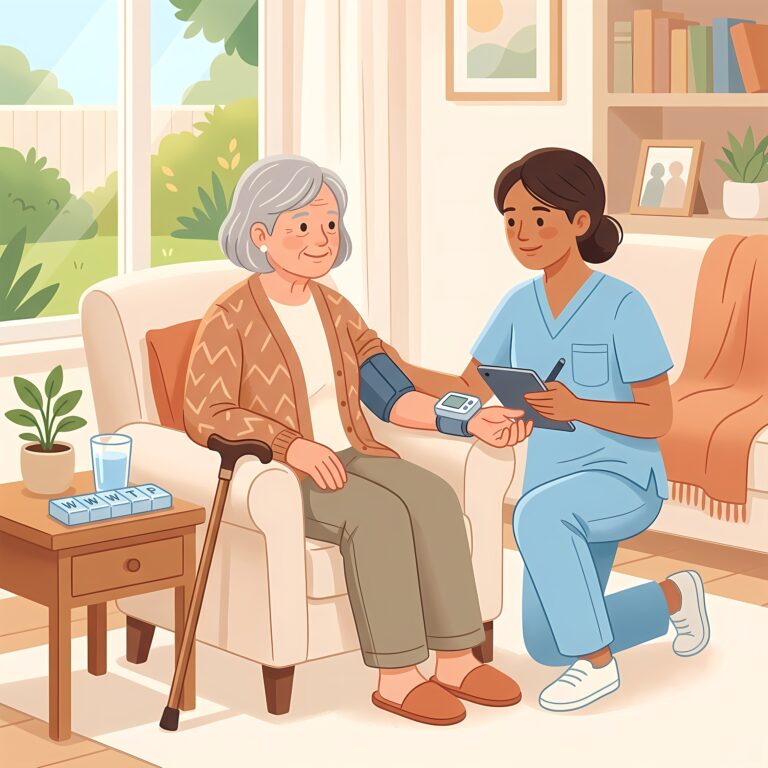
Medication mistakes can have serious consequences. If you notice a concern, speak with your loved one’s pharmacist, primary-care provider, or another regulated healthcare professional. A private nurse can also help assess how the current routine is working and provide medication reminders or administration when appropriate.
4. Mobility or balance has changed
Your loved one may be moving more slowly, holding onto furniture, avoiding stairs, or having greater difficulty getting in and out of a chair. You might also notice unexplained bruises, which can sometimes be a sign of a fall that they were hesitant to mention.
In Haliburton County, fall also brings wet leaves, earlier darkness, and eventually ice and snow. A small mobility concern indoors can become a larger safety issue when navigating outdoor steps, driveways, and appointments.
Pay attention to changes rather than assuming they are simply part of getting older. New weakness, dizziness, repeated falls, or a sudden change in mobility should be discussed promptly with a healthcare provider.
5. They seem more isolated or withdrawn
Shorter days and colder weather can make isolation worse, especially for someone who lives alone or no longer drives. Your loved one may stop attending regular activities, speak to friends less often, or seem unusually quiet, anxious, irritable, or uninterested in things they normally enjoy.
Companionship is not a minor need. Regular conversation, help getting out safely, or simply knowing that someone dependable will be visiting can support both emotional and physical well-being.
Significant or sudden changes in mood, behaviour, or thinking should be discussed with a healthcare provider. If you believe someone is in immediate danger, call 911.
6. There have been changes in memory or decision-making
Occasionally forgetting a name or appointment can happen to anyone. More concerning changes might include getting lost in familiar places, leaving appliances on, missing important bills, repeatedly asking the same question, or becoming confused about the day or time.
Sudden confusion is not a normal sign of aging and can be caused by an infection, medication issue, dehydration, or another urgent medical concern. Seek medical advice promptly if a change appears suddenly.
When changes are gradual, keeping notes about what you have observed can make it easier to have a useful conversation with your loved one and their healthcare provider.
7. The family caregiver is becoming overwhelmed
Sometimes the clearest sign that more help is needed is not a change in the person receiving care—it is the exhaustion of the person providing it.
Family caregivers often try to manage work, children, appointments, household responsibilities, and nighttime caregiving all at once. You may notice that you are constantly worried, losing sleep, cancelling your own appointments, becoming resentful, or feeling as though you can never safely step away.
Needing respite does not mean that you have failed your loved one. It means the current amount of care is more than one person can reasonably provide without support. Bringing in help before everyone reaches a crisis can make care at home more sustainable.
How to start the conversation
If you have noticed some of these signs, begin with curiosity rather than a list of everything that appears to be going wrong. You might say:
“I’ve noticed that meals seem to be taking more energy lately. What part has been the hardest?”
Or:
“I want to help you stay comfortable and independent at home. Is there one task you would feel better having some help with?”
Whenever possible, include your loved one in decisions about their care. Extra support is not about taking away independence. Often, it is what allows a person to preserve it.
Local support can begin with one visit
You do not have to wait for a crisis—or commit to full-time care—to ask for help.
Heart in the Highlands Nursing Services provides private in-home nursing support in Haliburton County, including wellness visits, medication support, caregiver respite, post-hospital support, palliative support, companionship, vital-sign monitoring, light meal preparation, and family updates.
Whether you are concerned about an aging parent, supporting a family member after a hospital stay, or simply need a dependable person to check in, care can be shaped around what your family actually needs.
To learn more or discuss whether private nursing support may be a good fit, you can reach to us here:
This article provides general information and is not a substitute for individual medical advice. For new or worsening health concerns, contact an appropriate healthcare provider. Call 911 in an emergency.